
In our clinical microbiology laboratory, we process hundreds of samples every week. Yet, some cases, particularly those with significant diagnostic and therapeutic implications, leave a lasting impression. Such was the case last week when a 12-year-old patient presented to our clinic with severe sore throat. The throat culture from this patient yielded Streptococcus pyogenes (Group A Beta-Hemolytic Streptococcus – GAS), revealing its typical characteristics.
Visual Analysis: The Petri Dish Speaks
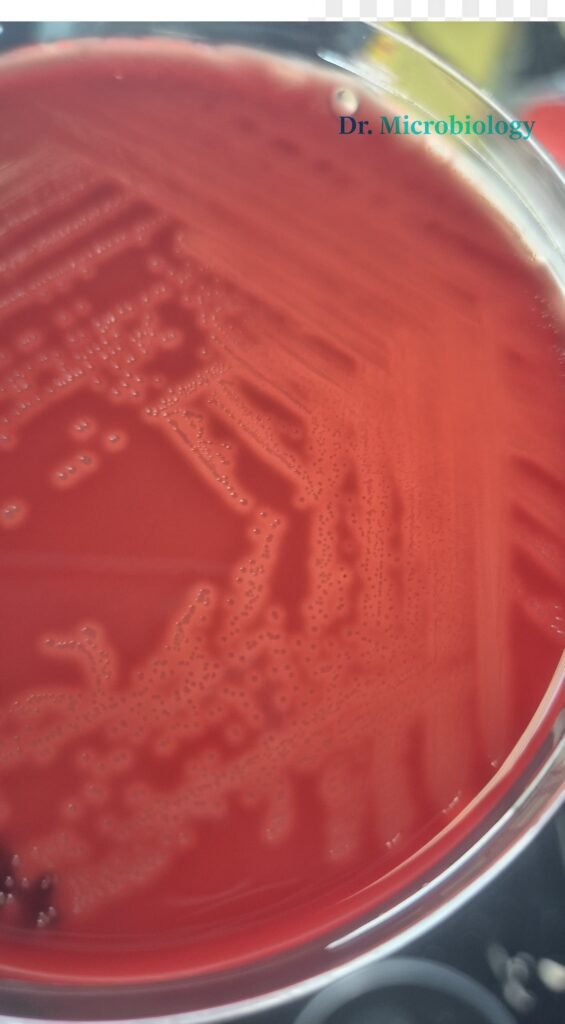
The image above displays S. pyogenes colonies, subcultured from the very throat swab of our young patient. Observe the broad, clear, and transparent zone surrounding the colonies; this phenomenon is what we term “beta-hemolysis” in microbiology. It signifies the complete lysis of erythrocytes (red blood cells) by the bacteria, serving as the most definitive characteristic for S. pyogenes identification.
Why Is Diagnosis Critical? Is It More Than Just a Sore Throat?
This visual, far from being just an aesthetic detail for the laboratory, serves as a vital clinical alert. A pharyngeal infection caused by Streptococcus pyogenes (Strep Throat), if left untreated with appropriate antibiotics, can lead to severe and debilitating complications:
- Acute Rheumatic Fever (ARF): A serious autoimmune disease that can emerge weeks after an untreated strep infection, potentially affecting heart valves, joints, and the brain.
- Acute Post-streptococcal Glomerulonephritis (APSGN): An inflammatory condition impacting the kidneys, which can lead to significant renal damage.
- Invasive Infections: Though rarer, GAS can cause life-threatening conditions such as Necrotizing Fasciitis (often referred to as “flesh-eating bacteria”) or Streptococcal Toxic Shock Syndrome.
Antibiotic Treatment and Resistance Status
Fortunately, S. pyogenes remains universally susceptible to penicillin-group antibiotics. This means that with a timely diagnosis, effective treatment can prevent these severe complications. However, we meticulously monitor the increasing rates of resistance to macrolide antibiotics (such as Erythromycin and Azithromycin), which are used as alternatives for penicillin-allergic individuals.
“Behind every colony image lies a patient’s health. Early and accurate diagnosis is the cornerstone to safeguarding against the potentially devastating effects of Streptococcus pyogenes.”
Cases like the one we observed in our laboratory serve as a powerful reminder that microbiology is not merely about bacteria growing in Petri dishes. Therefore, in cases of sore throat, do not hesitate to consult your doctor and undergo the necessary laboratory tests.
For more comprehensive information on Group A Streptococcal infections, you can visit the official CDC guidelines on GAS.